Why Jacksonville Properties Need Water Mitigation Services
Jacksonville’s weather patterns, geography, and climate create several unique challenges that make professional water mitigation essential following a water loss event.
Tropical Storms and Hurricane Season
Jacksonville experiences annual hurricane and tropical storm threats from June through November. Even storms that do not make direct landfall can produce heavy rainfall, flash flooding, roof damage, and water intrusion.
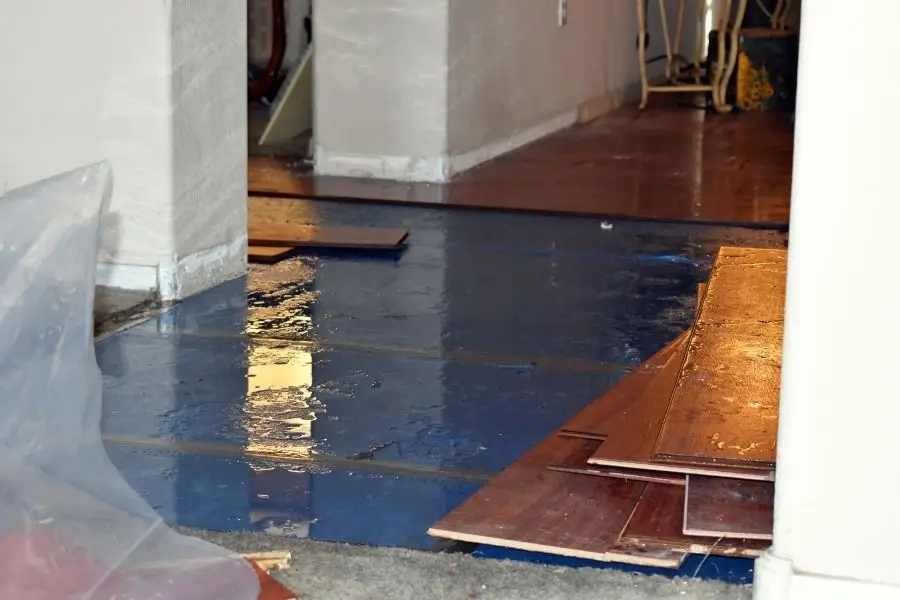
Hurricane Irma in 2017 demonstrated how widespread flooding and water damage can impact properties throughout Northeast Florida. Many homes experienced significant water intrusion from storm surge, rainfall, and flooding that required extensive mitigation and restoration.
Immediate mitigation after storm-related water damage helps reduce long-term structural issues and restoration costs.
High Humidity Accelerates Damage
Jacksonville frequently experiences humidity levels exceeding 70%, especially during summer months. High humidity slows natural drying and allows moisture to remain trapped within building materials for extended periods.
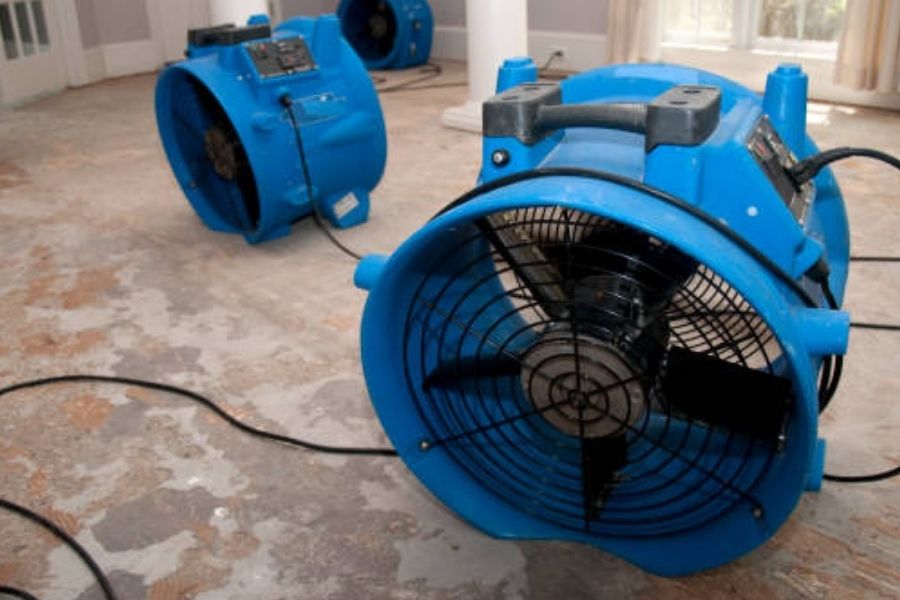
Without professional drying equipment, moisture may continue damaging drywall, wood framing, insulation, and flooring systems. Elevated humidity also increases the likelihood of microbial growth and mold contamination.
Plumbing and Appliance Failures
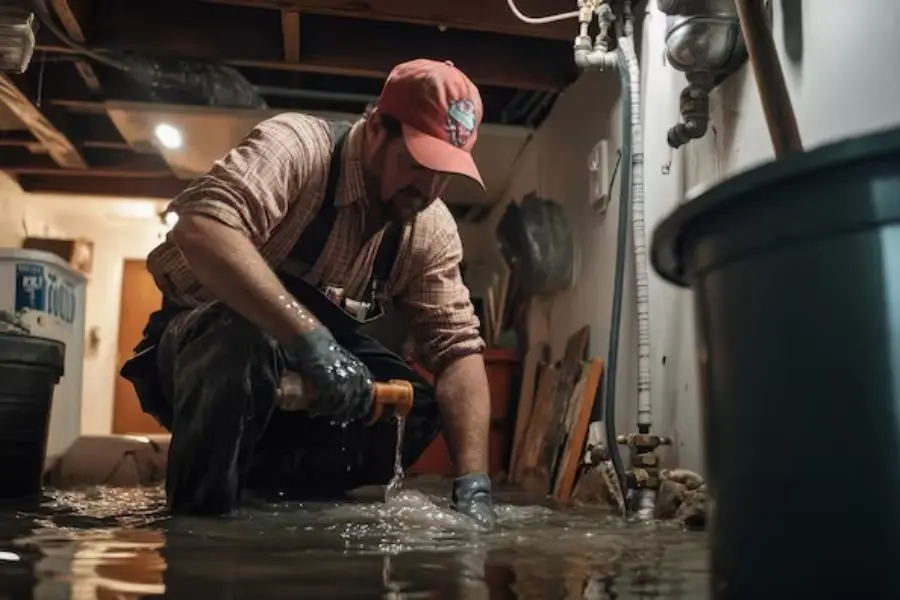
Many water mitigation projects begin with interior plumbing failures rather than severe weather. Burst pipes, water heater leaks, washing machine failures, dishwasher leaks, and plumbing supply line ruptures can release hundreds of gallons of water into a home within hours.
Older neighborhoods such as Riverside, Springfield, Avondale, and San Marco often contain aging plumbing systems that may be more susceptible to water-related failures.
Roof Leaks and Building Envelope Failures
Jacksonville’s intense summer storms frequently expose vulnerabilities in roofing systems, flashing assemblies, windows, and exterior building materials. Water entering through these openings can spread throughout attics, walls, and ceilings before becoming visible.
Professional mitigation helps identify hidden moisture and prevent secondary damage from developing over time.