Why Jacksonville Properties Need Fire Restoration Services
Fire damage affects thousands of properties every year, and Jacksonville’s climate, building types, and weather conditions can create unique restoration challenges.
Smoke and Soot Spread Beyond the Fire Area
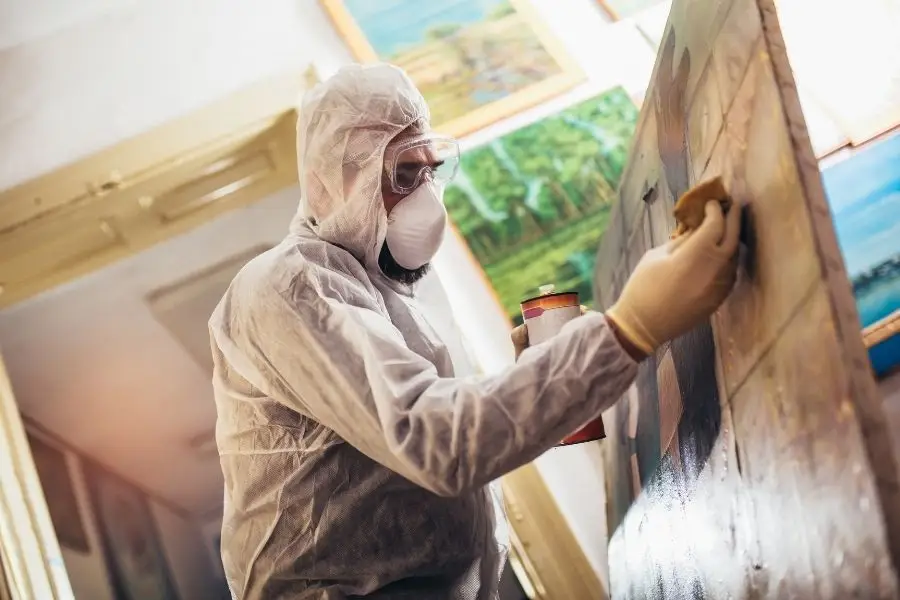
One of the most overlooked aspects of fire damage is how far smoke and soot can travel. Even small fires can impact multiple rooms throughout a property. Smoke particles often penetrate porous materials such as drywall, insulation, carpeting, upholstery, and wood surfaces.
Jacksonville homes with open floor plans and central HVAC systems can experience widespread smoke contamination as particles circulate through ductwork and ventilation systems.
Without professional cleaning, soot residues can permanently stain surfaces and continue producing odors long after the fire has been extinguished.
Water Damage Following Fire Suppression
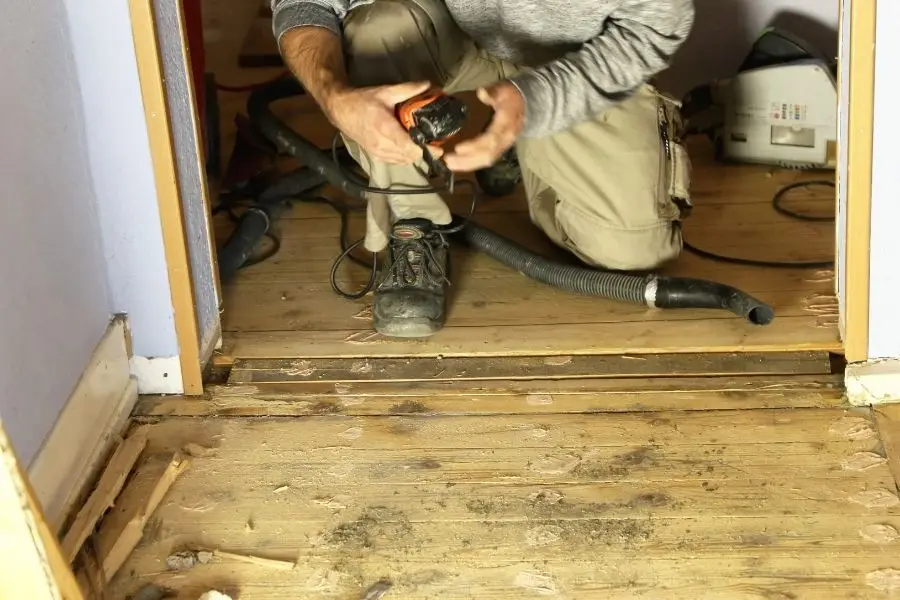
Every fire restoration project must also address water damage caused by firefighting efforts. Fire departments often use thousands of gallons of water to control a structure fire, leaving behind saturated building materials and elevated moisture levels.
Jacksonville’s humidity levels can accelerate secondary damage when water remains trapped within walls, flooring systems, and structural assemblies. Mold growth can begin developing within 24 to 48 hours if moisture is not properly mitigated.
Immediate drying and moisture control are essential parts of the restoration process.
Storm Activity and Electrical Fires
Florida experiences some of the highest lightning activity rates in the United States. Jacksonville regularly experiences severe thunderstorms, tropical systems, and hurricane-related weather events that can contribute to electrical fires and power-related damage.
Properties throughout Southside, Arlington, and Mandarin frequently experience seasonal storm activity that can increase fire risks associated with electrical systems and power fluctuations.
Historic Property Restoration Challenges
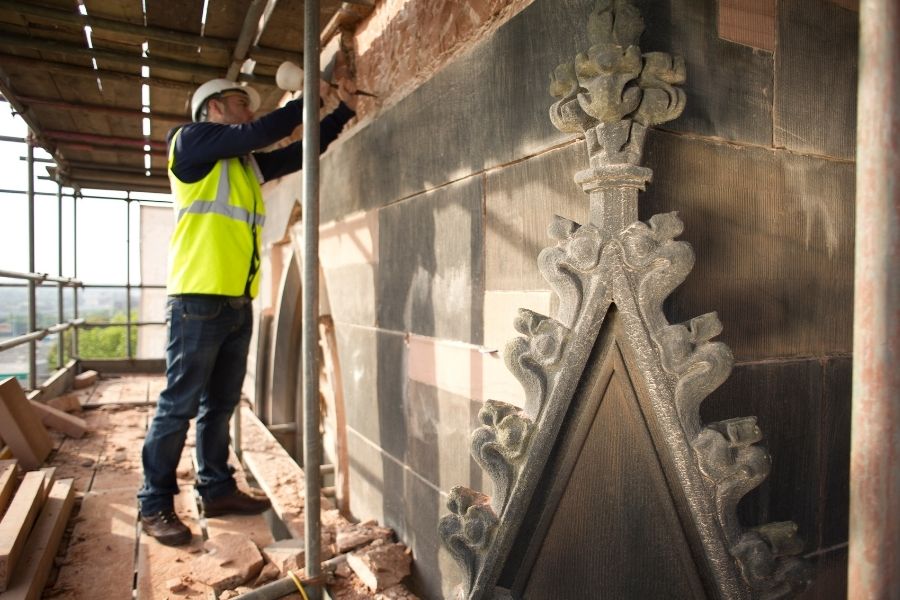
Neighborhoods such as Riverside, Avondale, Springfield, and San Marco contain many historic homes and commercial structures. Fire restoration in these properties often requires specialized reconstruction techniques to preserve architectural details while meeting current building standards.
Careful planning and experienced restoration professionals are essential when restoring older properties following a fire event.