Why Jacksonville Properties Need Disaster Relief Services
Jacksonville’s climate and location make disaster preparedness and recovery an important part of property ownership.
Hurricane and Tropical Storm Impacts
Jacksonville experiences annual hurricane season from June through November. Even storms that remain offshore can produce damaging winds, heavy rainfall, flooding, fallen trees, and roof damage.
Hurricane Irma in 2017 caused widespread flooding throughout Jacksonville, affecting neighborhoods near the St. Johns River and low-lying areas across the city. Many properties required extensive disaster relief services to address water damage, structural concerns, and reconstruction needs.
Following major storms, restoration resources often become overwhelmed by demand, making rapid response essential.
Flooding and Water Damage Events
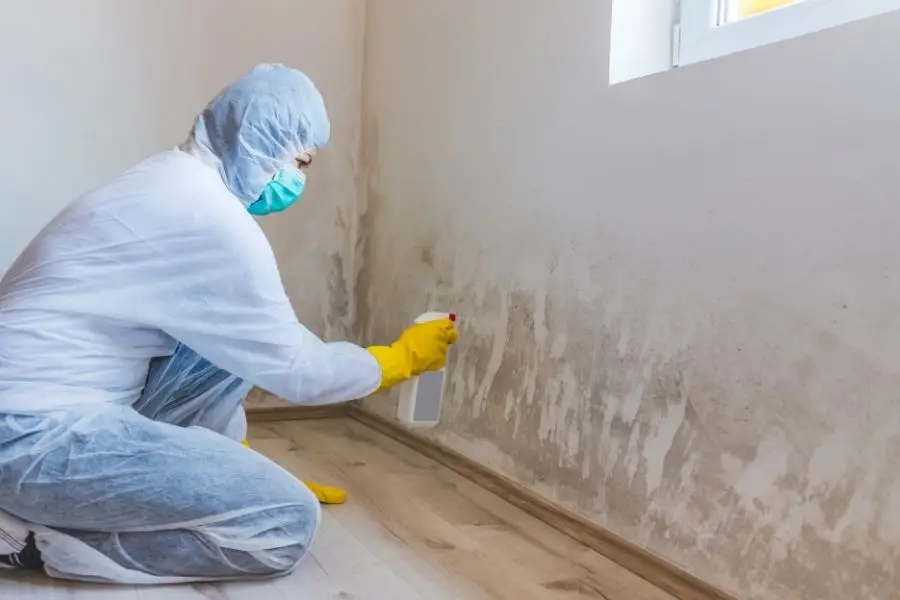
Jacksonville receives approximately 52 inches of rainfall annually, with intense summer storms capable of producing localized flooding. Floodwaters can quickly enter homes and businesses, damaging building materials, contents, electrical systems, and structural components.
Properties near the St. Johns River, Intracoastal Waterway, and coastal communities may face increased flooding risks during severe weather events.
Severe Wind and Structural Damage
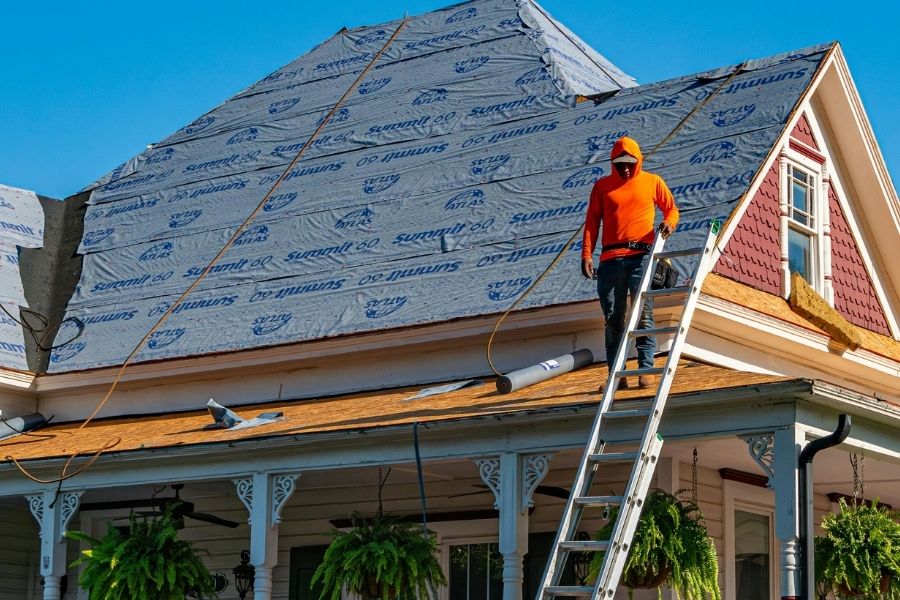
Thunderstorms and tropical systems frequently produce strong winds capable of damaging roofs, siding, windows, fencing, and other building components. Wind-driven rain can also penetrate structures, creating hidden moisture issues that require mitigation and restoration.
Fire and Secondary Damage
Disasters are not limited to weather events. Fires, electrical failures, lightning strikes, and other emergencies can create significant property damage requiring coordinated recovery efforts. In many cases, water used to extinguish fires creates additional restoration challenges.
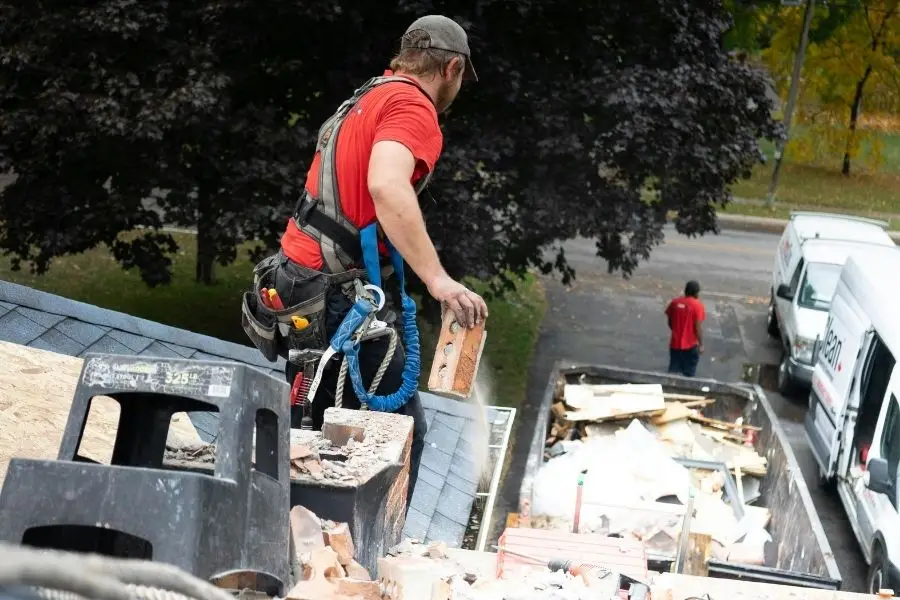
Professional disaster relief services help property owners manage these complex situations efficiently while protecting their investment.